

16 million TEU new ships are coming!Overcapacity may explode in 2027, and good days for freight forw
- Author:Maintenance network
- Source:Maintenance network
- Release Date:2026-11-05
In the past few years, more and more container ships have been built around the world, but the shipping market has never truly experienced excess capacity.Detours in the Red Sea, port congestion, and shipping schedule delays have forced batches of ships to extend their voyages, and the shipping capacity in the market has been consumed.But by 2027, the situation may be different.On one side, nearly 16 million TEU new ship orders are lined up for delivery, and on the other side, the Red Sea routes are gradually recovering.New ships are increasing, and the originally occupied shipping capacity is also being released. When these two factors collide, the global container shipping market may have to face an old problem again: If there are too many ships, will the cargo be enough?
01 The new ship has not been delivered yet, the next batch is coming again
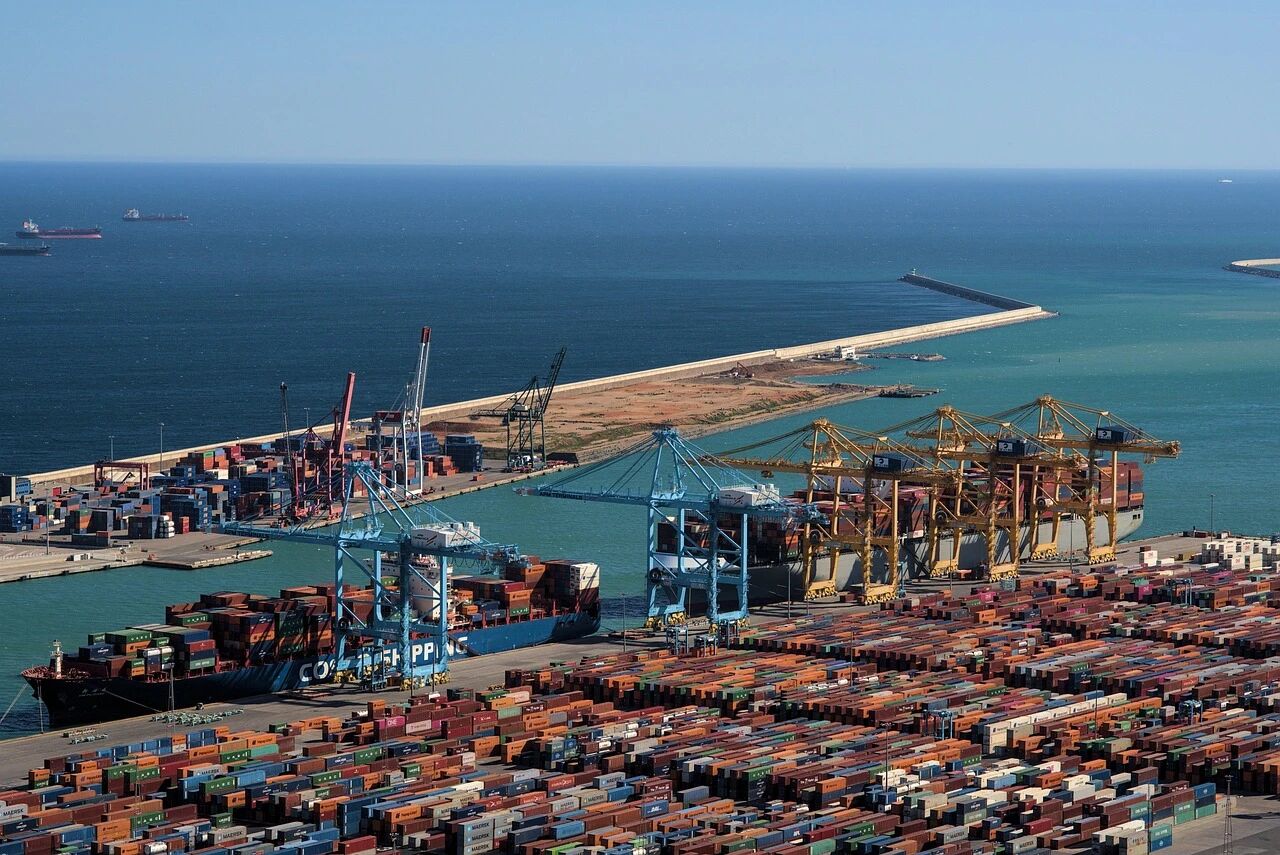
The global container ship order book is too big to be ignored.In the past few years, the global container ship market has continued to receive large-scale ordering.In the past three years, the market has added about 5 million TEU of new ordered shipping capacity every year, and the scale of orders held by the global fleet has also been rising.According to a report by Seatrade Maritime on October 20, the global container ship order book has reached 16.2 million TEU, equivalent to 46.5% of the existing fleet capacity, a new high since 2009.Since September alone, the ship expansion activities of leading shipping companies have been quite intensive.Leading shipping companies have not stopped expanding their fleets.MSC has ordered 20 24,000 TEU-class container ships, and Maersk is also advancing its large-scale ship ordering plan.When a single shipping company expands its fleet, it has its own costs and network layout considerations.However, when multiple leading shipping companies expand their ships at the same time, there will naturally be no shortage of new shipping capacity for the market to digest in the next few years.More importantly, these ships are not still on order.Contracts signed in the past few years are gradually entering the delivery cycle.After the shipyard delivers the ship, the shipping company has to make arrangements, and ultimately has to return to the market to find sources of goods.70% of industry insiders are bearish on 2027
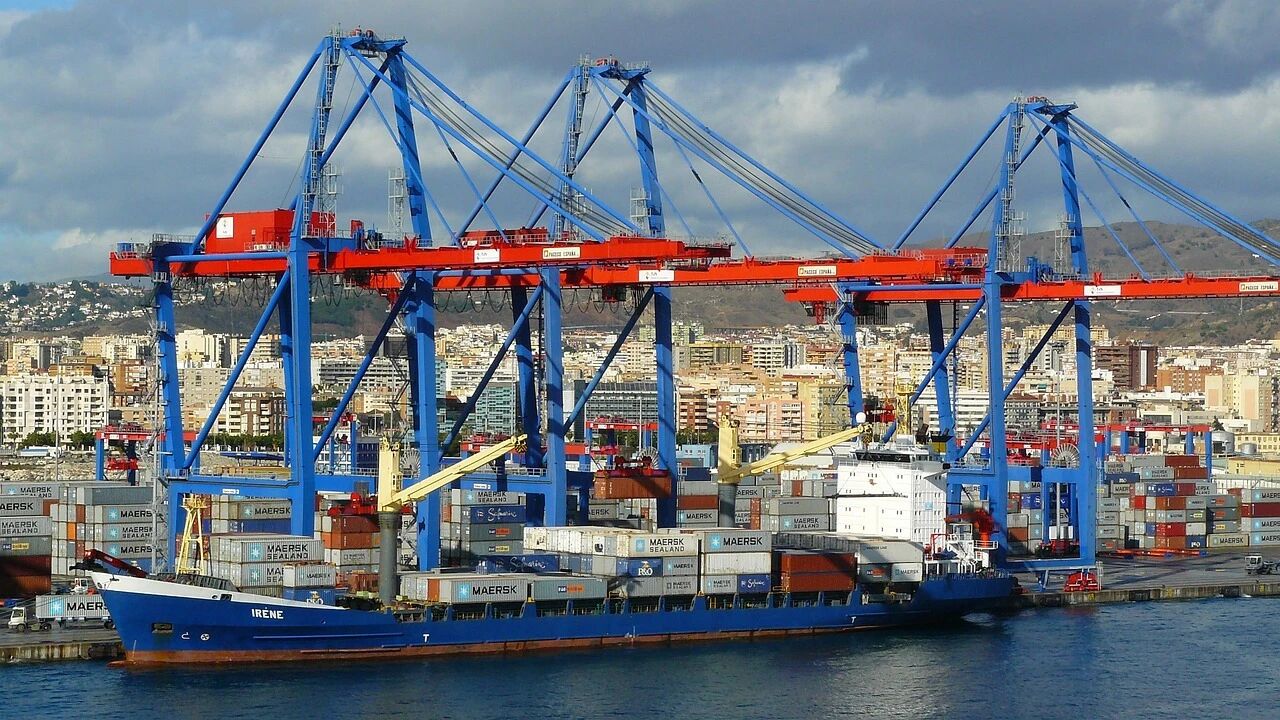
How much pressure will new ships bring to the market?A recent industry survey by Drewry gave a pretty clear signal.More than 70% of the respondents believe that the container shipping market will have varying degrees of excess capacity in 2027.Specifically: 56.7% of the respondents expect moderate overcapacity; 14.2% expect severe overcapacity; 14.4% believe the market will remain roughly balanced; only 5.3% believe the market will remain tight.In other words, what the industry is really worried about is no longer whether there will be excess capacity, but how serious the excess will be.Drewry also further asked respondents: What factors are most likely to determine changes in capacity supply and demand in 2027?New ship delivery ranked first with 39.4%; operational network interruption and port congestion accounted for 29.0%; shipping company capacity management accounted for 18.6%; cargo demand accounted for 11.7%; ship scrapping accounted for only 1.3%.It is not difficult to understand that the delivery of new ships is ranked first.Shipping companies can make their own decisions about empty sailings, slow sailings, and route adjustments; but for new ships that have signed contracts, it is impossible to say no to picking up new ships.On the other hand, the Red Sea diversion, which has helped the market digest shipping capacity in the past few years, is also changing.Navigation in the Red Sea resumes, and ships begin to free up their hands
In the past two years, most shipping companies on the Far East to Europe route have chosen to go around the Cape of Good Hope.In the past, it was not that there were no ships in the market, but that many ships were forced to run on longer routes and could not turn around as efficiently as before.Today, more and more shipping companies are beginning to reconsider the Suez Canal route.Recently, two more companies have continued to advance route adjustments.On November 2, Maersk issued the latest announcement, announcing that the India-Europe ME1 route in cooperation with Hapag-Lloyd will be adjusted from the original route around the Cape of Good Hope to passing through the Suez Canal.This is no longer a simple trial passage, but shipping companies have begun to incorporate the restoration of Red Sea routes into actual network deployment.In the week ending November 1, a total of 53 container ships passed through the Suez Canal, an increase of 130% compared with the same period in 2025.Currently, about 60% of the shipping capacity on the Asia-Europe route has reused the Suez Canal route.What does this mean for the market?To put it simply, in the past, a ship had to go around the Cape of Good Hope and spend more time completing a round-trip voyage; now that it resumes passing through the Suez Canal, the voyage is shortened, and the same group of ships has the opportunity to complete more voyages.The number of ships has not increased, but the effective transport capacity they can provide has increased.This is also where the resumption of sailing in the Red Sea is easily underestimated: it releases not only the ships on the route, but also the turnover efficiency of the entire fleet.
How much pressure will new ships bring to the market?A recent industry survey by Drewry gave a pretty clear signal.More than 70% of the respondents believe that the container shipping market will have varying degrees of excess capacity in 2027.Specifically: 56.7% of the respondents expect moderate overcapacity; 14.2% expect severe overcapacity; 14.4% believe the market will remain roughly balanced; only 5.3% believe the market will remain tight.In other words, what the industry is really worried about is no longer whether there will be excess capacity, but how serious the excess will be.Drewry also further asked respondents: What factors are most likely to determine changes in capacity supply and demand in 2027?New ship delivery ranked first with 39.4%; operational network interruption and port congestion accounted for 29.0%; shipping company capacity management accounted for 18.6%; cargo demand accounted for 11.7%; ship scrapping accounted for only 1.3%.It is not difficult to understand that the delivery of new ships is ranked first.Shipping companies can make their own decisions about empty sailings, slow sailings, and route adjustments; but for new ships that have signed contracts, it is impossible to say no to picking up new ships.On the other hand, the Red Sea diversion, which has helped the market digest shipping capacity in the past few years, is also changing.Navigation in the Red Sea resumes, and ships begin to free up their hands
In the past two years, most shipping companies on the Far East to Europe route have chosen to go around the Cape of Good Hope.In the past, it was not that there were no ships in the market, but that many ships were forced to run on longer routes and could not turn around as efficiently as before.Today, more and more shipping companies are beginning to reconsider the Suez Canal route.Recently, two more companies have continued to advance route adjustments.On November 2, Maersk issued the latest announcement, announcing that the India-Europe ME1 route in cooperation with Hapag-Lloyd will be adjusted from the original route around the Cape of Good Hope to passing through the Suez Canal.This is no longer a simple trial passage, but shipping companies have begun to incorporate the restoration of Red Sea routes into actual network deployment.In the week ending November 1, a total of 53 container ships passed through the Suez Canal, an increase of 130% compared with the same period in 2025.Currently, about 60% of the shipping capacity on the Asia-Europe route has reused the Suez Canal route.What does this mean for the market?To put it simply, in the past, a ship had to go around the Cape of Good Hope and spend more time completing a round-trip voyage; now that it resumes passing through the Suez Canal, the voyage is shortened, and the same group of ships has the opportunity to complete more voyages.The number of ships has not increased, but the effective transport capacity they can provide has increased.This is also where the resumption of sailing in the Red Sea is easily underestimated: it releases not only the ships on the route, but also the turnover efficiency of the entire fleet.
02 New ship delivery and resumption of sailing, dual pressures
So, how much capacity will the market increase in 2027?Drewry predicts that the supply-side net growth rate of the global container shipping market will reach 8.8% in 2027, is likely to rise to 12.1% in 2028, and is expected to be 10% in 2029.Among them, the delivery of new ships in 2027 is expected to increase the nominal shipping capacity by approximately 2.3 million TEU; the gradual reduction of red sea diversions may release approximately 2.6 million TEU shipping capacity.Drewry also predicts that by February 2027, about 80% of the diverted ships will resume passage through the Suez Canal.On one side, new ships are being delivered one after another, and on the other side, the original fleet is running faster.The shipping capacity that has been occupied by deviations and congestion in the past few years is gradually returning to the market.Of course, not all of the new capacity will be converted into actual space.Shipping companies can still control the situation by running empty flights, reducing speed, adjusting routes and scrapping ships.However, Drewry's judgment is that these measures may not be enough to completely offset the increase in supply.With more ships, shipping companies naturally have to find ways to control shipping capacity.Empty flight tracking data released by Drewry on October 30 shows that from November 2 to December 7, there are expected to be 56 empty flights on major east-west routes around the world, involving 715 planned voyages.This shows that shipping companies have begun to proactively adjust shipping capacity.However, short-term empty sailings can alleviate supply pressure, but it is difficult to fully absorb the wave of new ship deliveries in the next few years.
03What freight forwarders and shippers need to pay attention to
For Chinese freight forwarders and export companies, a relatively obvious change may occur in 2027: there will be more choices when booking space, and competition among shipping companies for supply of goods may also intensify.If capacity growth continues to exceed cargo volume growth, space pressure on some routes is expected to ease, and freight rates will also face greater downward pressure.However, excess shipping capacity does not mean freight prices will fall immediately.The security situation in the Red Sea, port congestion, unexpected weather and global trade demand may still change the market rhythm.Next, freight forwarders and cargo owners need to focus on the delivery of new ships, the resumption of sailings in the Red Sea, and the empty schedules of shipping companies.Especially for European routes, it depends not only on the increase in nominal capacity, but also on the changes in the space actually put into the market.In the past few years, the market has digested a lot of new capacity through deviations and congestion; by 2027, this buffer may gradually weaken.In the past few years, shipping companies were busy looking for ships, and next they may be busy looking for cargo.